Business · Hiring
How to Hire an iOS Developer in 2026: SwiftUI, Concurrency, and What to Screen For
iOS development has changed more in the last three years than it did in the previous seven. Here's what strong iOS candidates know, how to screen them, and what to expect on rates.

Anurag Verma
6 min read

Sponsored
iOS development has shifted faster in the last few years than most hiring managers realize. A candidate pool that looks experienced on paper can contain developers running three years behind the current stack, and unlike web development where the migration paths are gradual, iOS has had a set of genuine break points: Swift Concurrency in 2021, SwiftUI reaching production-readiness around 2022-2023, and the toolchain now requiring Apple Silicon Macs. If your job description still asks for “Objective-C experience preferred,” you are screening for the wrong things.
Here is what to look for, how to screen, and what you will pay.
The current iOS stack
SwiftUI is now the primary way to build new iOS UI. It has been maturing since 2019, but it reached the point where teams could build full production apps in it without constantly hitting missing APIs around 2022. In 2026, a developer who can’t write SwiftUI is behind.
That said, UIKit is not dead. Every team with a pre-2023 codebase has UIKit code, and even new apps hit UIKit through third-party libraries, custom components that SwiftUI still can’t express cleanly, and interop requirements. Strong candidates know both and understand when to reach for which.
Swift Concurrency (async/await, structured concurrency, actors) replaced the old patterns — Grand Central Dispatch, Completion handlers, Combine — as the idiomatic way to handle asynchronous work. Swift 5.5 shipped this in 2021, and by 2023 it was standard in most teams. A candidate who still structures their async code around DispatchQueue.main.async everywhere hasn’t updated their mental model.
SwiftData (2023) is Apple’s modern replacement for Core Data. Not every app needs it, but it is worth knowing, especially if you are building an app with local-first or offline requirements.
The development machine requirement: Xcode now requires Apple Silicon (M-series Mac). Any candidate working on an Intel Mac is working with a degraded toolchain and a significantly slower build cycle. Ask.
What separates good iOS candidates from great ones
The basics any candidate should have:
- SwiftUI for new UI, UIKit fluency for existing components
- Swift Concurrency for async work (not just “I know async/await” but structured concurrency with task groups, cancellation, actors for state isolation)
- Xcode Instruments for profiling: memory leaks, CPU hangs, energy impact
- App Store submission, TestFlight, entitlements, and the review process
- Dependency management via Swift Package Manager
Depth signals that distinguish strong seniors:
- Opinion on architecture patterns (MVVM, TCA, VIPER) and when the complexity is worth it
- Experience with push notifications end-to-end (APNs token management, silent vs user-facing, background modes)
- WidgetKit or App Clips, which require understanding the iOS extension model
- Accessibility — VoiceOver, Dynamic Type, color contrast in SwiftUI — most developers haven’t done this seriously
- Localization beyond just wrapping strings in
NSLocalizedString
Red flags in portfolios and interviews:
- Using
DispatchQueue.main.asyncas the answer to every threading question in 2026 - “Expertise” in Objective-C listed prominently as a main skill (fine as a note, worrying as a headline)
- Portfolio apps that only show simulators, never real device screenshots or TestFlight links
- No mention of testing (XCTest, Swift Testing framework) in any project
- Combine as their concurrency answer without mentioning Swift Concurrency at all
The screening process
Step 1: Portfolio and GitHub review. Before any interview, look at their apps on the App Store and their public repos. An iOS developer without a shipped App Store app or an open-source SwiftUI project is a larger risk. It does not disqualify them, but you need something to evaluate.
Step 2: Short take-home (3-5 hours max). The format that works:
Build a simple app that fetches a list from the GitHub repos API (or any public API), displays it in a list, and lets the user tap an item to see a detail view. Use SwiftUI and Swift Concurrency. Include one test.
What you are evaluating:
- Architecture choice and whether it was appropriate for the scope
- Proper use of
async/awaitand@MainActor(or equivalent actor isolation) - Error handling — does the UI show something meaningful when the network fails?
- Whether they wrote a real test or a token one
- Code organization and naming
Step 3: Walkthrough call (45-60 min). Not a quiz session. Ask them to walk you through their take-home code. Focus on:
- “Why did you structure it this way?”
- “What would you do differently if this needed to support 100k users offline?”
- “Where do you think this code is weakest?”
The walkthrough reveals communication quality and self-awareness better than any trivia question.
What to avoid: Live algorithmic coding interviews (LeetCode-style) have poor signal for iOS roles. iOS development is UI-heavy and architecture-heavy; sorting algorithms under pressure tells you little about whether someone can ship a well-structured iOS app.
What to pay
Rates vary significantly by location and experience level.
| Level | India (annual) | US (annual) | Contract (USD/hr) |
|---|---|---|---|
| Junior (0-2 yrs) | $12k-$25k | $80k-$110k | $25-$45 |
| Mid (3-5 yrs) | $25k-$50k | $110k-$160k | $50-$85 |
| Senior (6+ yrs) | $50k-$90k | $160k-$220k | $90-$140 |
| Staff / Tech Lead | $90k+ | $200k-$280k | $140+ |
These are 2026 market rates for full-time employment. Contract rates run higher to account for the lack of benefits. For agencies and startups hiring in India or Eastern Europe, the best candidates are typically out-competing domestic salaries and have good English, which means you should expect to pay toward the top of the India range for someone you can actually work with asynchronously.
visionOS and spatial computing experience commands a significant premium (20-40% above senior rates). If you need it, budget accordingly — the talent pool is small.
The question to ask in every iOS interview
“Walk me through what happens from the moment a user taps your app icon to the moment your first screen is interactive.”
A junior developer gives a vague answer about app launch. A mid-level developer mentions UIApplicationDelegate or the @main entry point and maybe AppDelegate lifecycle methods. A senior developer talks about app initialization, scene lifecycle in multi-scene apps, the cost of loading the storyboard (or not) vs programmatic setup, what they move off the main thread, and how they instrument that launch time in Xcode Instruments.
The question has no wrong answer format. It just scales clearly with actual depth of experience.
For the other roles in this hiring cluster: How to hire a React developer, How to hire a Python developer, How to hire an Android developer, and what it actually costs across skill levels and geographies.
Frequently asked questions
- What does a strong iOS developer need to know in 2026?
- SwiftUI for UI, UIKit for complex or legacy components, Swift Concurrency (async/await, actors, structured concurrency) for async work, and a solid grasp of the iOS app lifecycle and memory management. Bonus depth areas include SwiftData, App Clips, and WidgetKit. Most production apps also require working knowledge of Xcode instruments for profiling.
- Should I require UIKit experience in 2026?
- If you have any existing codebase older than 2022, yes. Pure SwiftUI-only apps are still uncommon because most production apps have legacy components, and SwiftUI's interop story with UIKit is important to understand. A candidate who has only ever worked in SwiftUI will struggle when they hit UIKit components in your stack.
- What is a reasonable take-home assignment for iOS candidates?
- A scoped task of 3-5 hours: build a small feature (a list screen fetching from a public API, a basic form, a settings screen). Evaluate architecture decisions, error handling, use of Swift Concurrency vs callbacks, and whether they wrote tests. Avoid asking for a full working app — that signals you are getting free work.
- How is iOS hiring different from Android hiring?
- The talent pool is smaller and the tooling is more opinionated (Xcode, no Gradle). Swift is genuinely pleasant to write, so the community tends to be highly opinionated about code style. iOS apps also have stricter App Store review requirements that developers need to know. Apple Silicon as the development machine is now effectively required.
Sources
Sponsored
More from this category
More from Business
 R.01
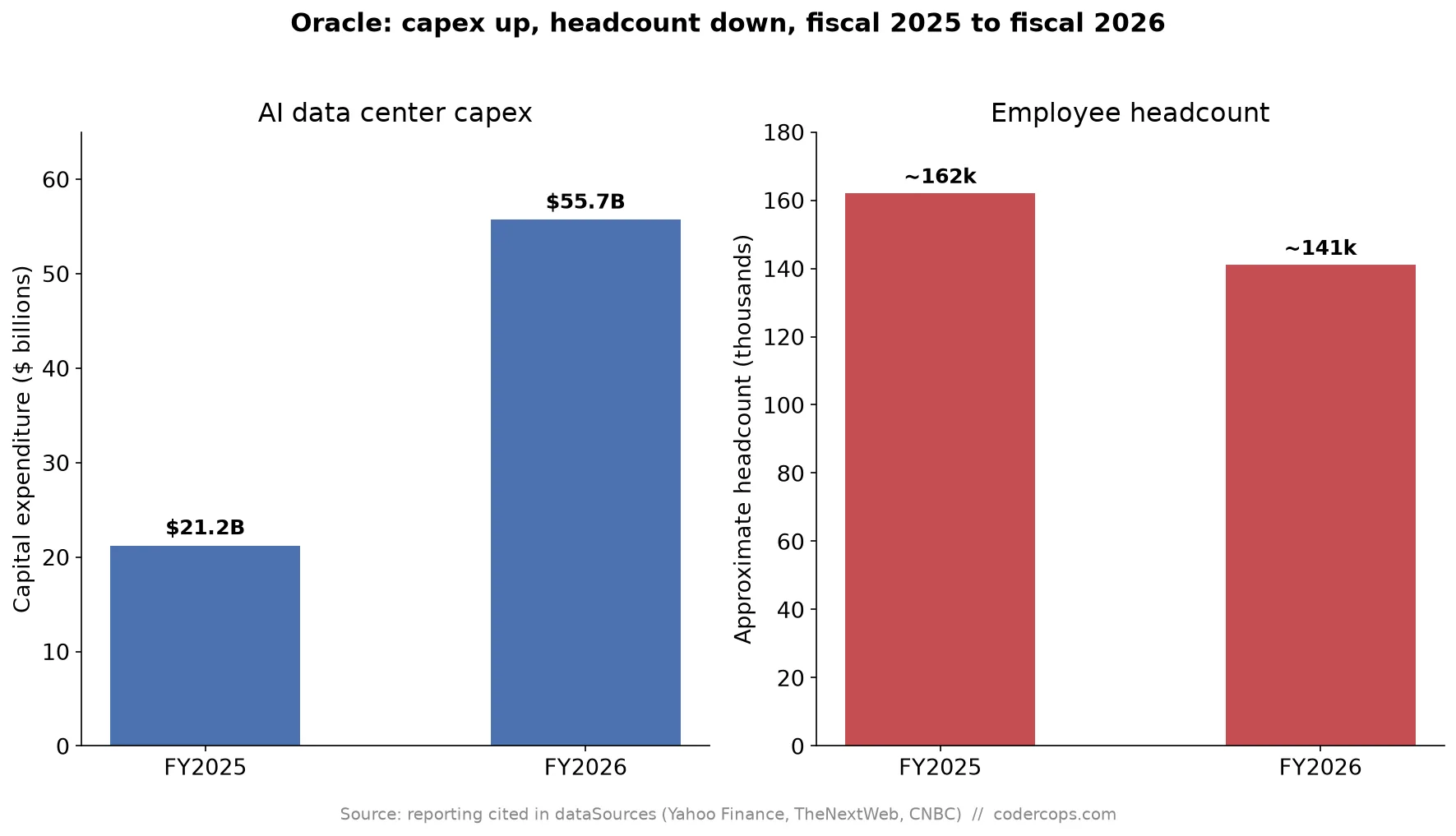
R.01 Oracle Is Borrowing Tens of Billions for AI Data Centers. What That Means If You Build on OCI.
 R.02
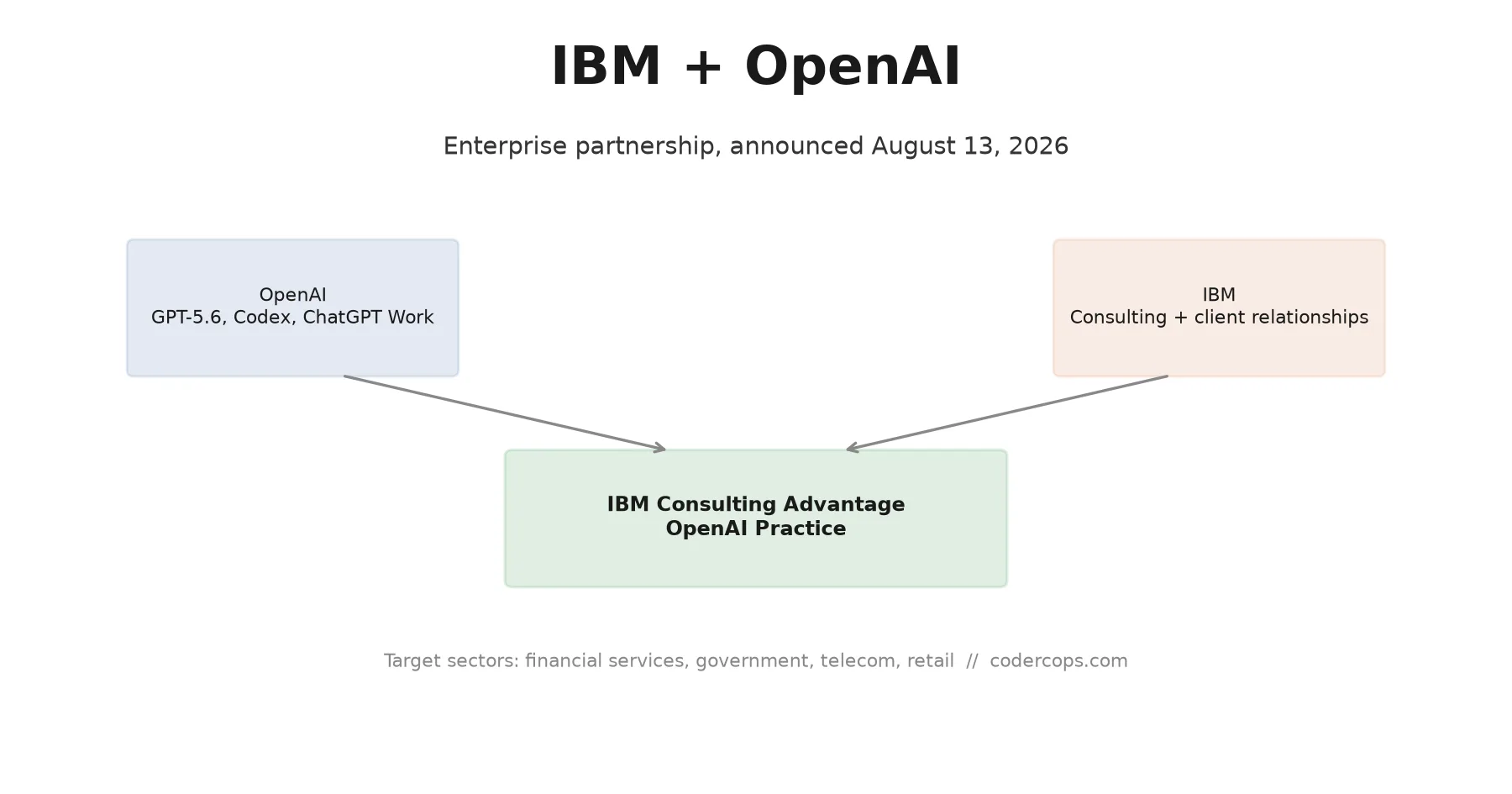
R.02 IBM and OpenAI's Enterprise Deal: What It Means Beyond the Press Release
 R.03
R.03 Arc.dev Alternatives in 2026: When a Curated Marketplace Is and Isn't the Answer
Sponsored
Discussion
Join the conversation.
Comments are powered by GitHub Discussions. Sign in with your GitHub account to leave a comment.
Sponsored